
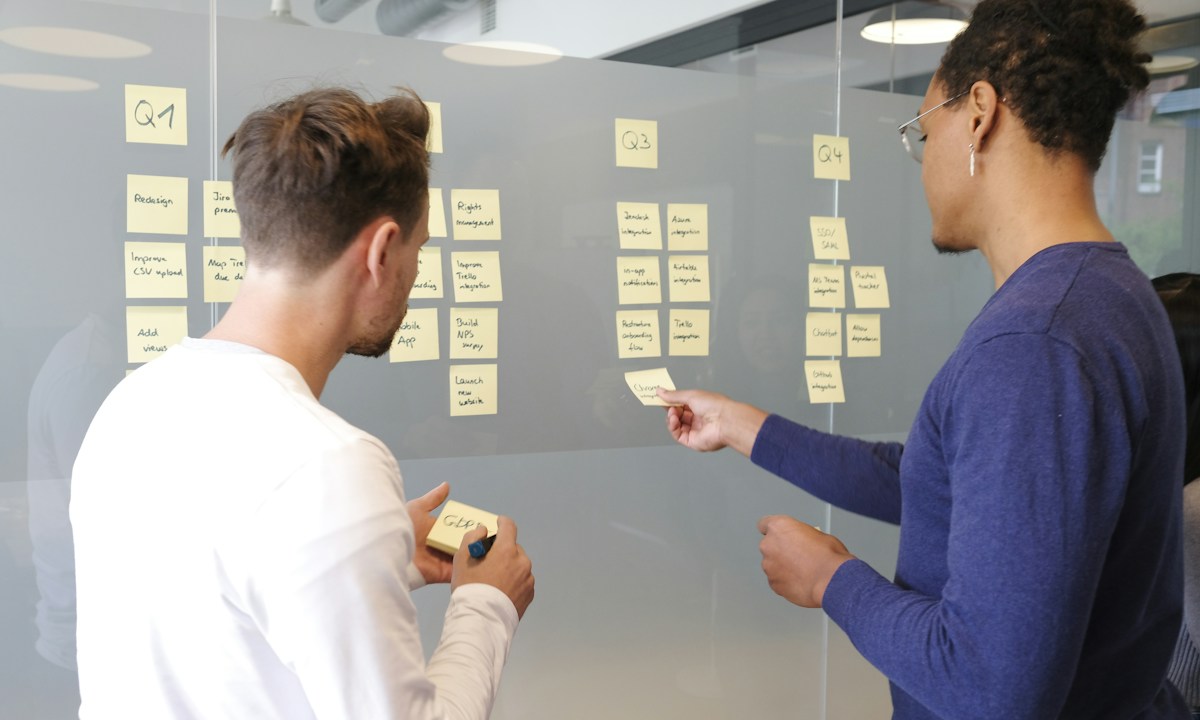
Treat the roadmap as a planning conversation
A roadmap describes direction, while a released capability describes what a team can use now. Keep those two ideas separate when making operational commitments. The original Glidesk article discussed a 2025 roadmap; this rewritten edition does not turn those earlier plans into confirmed releases or current delivery dates. Ask for the present scope before relying on a feature.
Start with an operational need
Describe the work you want to improve and the people involved. For a field team, that might mean clarifying an assignment, submitting a completion update and giving the office enough information to follow up. For an attendance team, it might mean resolving exceptions before the pay-period cut-off. A concrete workflow is more useful than a broad request for more automation.
Confirm what is available in your setup
Check the relevant product, version, device requirements and account permissions. Ask whether the capability is released, being piloted or still planned, and whether implementation or an additional service is required. Glidesk’s team has identified Mobile Force as a 2026 milestone. Review its current product scope with the team rather than assuming every future mobile capability is included.
Evaluate AI through evidence
If a proposed feature uses AI, ask what information it uses, what output it provides and who reviews that output. Test representative exceptions as well as normal cases. Avoid equating a product label with a measured result. A pilot should make limitations, correction routes and responsibilities understandable to the people who use the system.
Prepare a controlled introduction
Agree a pilot group, training, a support contact and a fallback before switching an important process. Define what would count as a successful trial using your own baseline. Review outstanding issues before wider rollout and update internal guidance when behaviour changes. Keep commercial commitments and release availability in the agreed documentation rather than relying on a dated blog announcement.